
Beds and Seasonal Care
Bed Maintenance in Lansing
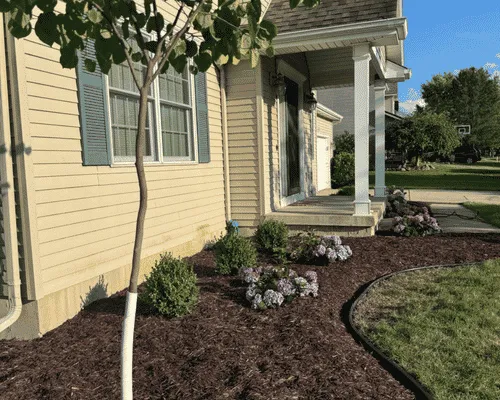
Regular weeding, edging and upkeep visits that keep your Lansing landscape beds clean and crisp, so weeds don't get the chance to take over.
Ongoing Care
What Does Landscape Bed Maintenance Include?
Planting beds look their sharpest right after they're installed or freshly mulched. Keeping them that way takes steady attention, and that's what bed maintenance from Pinnacle Landscape Group is for: weeding, edging and upkeep on regular visits, so the beds keep looking the way they did when they went in.
Weeding is most of the work, but bed maintenance is also about spotting problems early, like a struggling shrub or a corner that stays soggy, before something has to be replaced. Visits focus on the beds themselves:
- Weeding throughout the beds and around shrubs, perennials and tree rings
- Re-cutting edges where grass has crept into the bed
- Deadheading spent flowers and light pruning to keep plants tidy
- Clearing out leaves, sticks and debris that collect in corners
- Raking mulch back into place where rain or foot traffic has moved it
Michigan Weeds
How Often Should Landscape Beds Be Weeded in Michigan?
Weeds in mid-Michigan show up in waves, and the goal is to catch each wave while the weeds are small, before they flower and drop seed. A weed pulled young comes out clean, while one that goes to seed can replant the whole bed for next year. Growth peaks from late spring through midsummer, which is usually when beds need the most frequent visits.
How often your beds need a visit comes down to how much bed space you have and how heavy the weed pressure has been. Brand new beds are mostly open soil, so weeds move in before the plants fill out, and they need the closest attention. Mature beds, where shrubs and perennials have grown together, shade out a lot of weeds on their own.
Spring
As the soil warms, the first big flush of weed seedlings comes up, and perennial weeds like dandelions start back up from their roots.
Early Summer
Summer annuals such as crabgrass and purslane move in with the heat, especially in sunny beds where the mulch has thinned.
Midsummer
Bindweed twines up through shrubs and perennials, and spotted spurge spreads low mats across hot, dry spots.
Late Summer and Fall
Cooler nights and fall rains set off another round, including chickweed, while creeping Charlie keeps spreading through shady beds.
Edging
How Do You Keep Flower Bed Edges Crisp All Season?
A clean edge is what makes a bed look intentional. It separates lawn from bed, holds mulch in place and gives the mower a clear line to follow, but it doesn't stay crisp on its own.
Most lawns around Lansing are cool-season grasses, and Kentucky bluegrass in particular spreads by underground runners that creep right across a bed line. Add rain washing soil and mulch over the edge, and a sharp cut can soften into a ragged border over a single season.
That's why edging belongs on a regular schedule instead of being saved for once a year. A full re-cut in spring with touch-ups as the season goes on keeps the line defined, and it saves the much bigger job of rebuilding a bed line that has disappeared completely.

Warning Signs
Signs Your Flower Beds Need Regular Maintenance
If your beds look great right after the mulch goes down but slide by midsummer, regular maintenance is usually the missing piece. Here are a few telltale signs:
- Weeds come right back soon after you pull them
- Weeds are starting to outnumber the plants
- Grass and creeping weeds are crossing the bed edge
- Edges that were crisp in spring have gone soft and fuzzy
- Spent flowers and leggy growth make the plants look tired
- Leaves and debris are piling up in corners and along the foundation
- Your weekends go to weeding instead of enjoying the yard
After the Mulch
Do You Still Need Bed Maintenance After Fresh Mulch?
If you want the beds to stay sharp all season, usually yes. A mulch installation and bed maintenance work well together, but they do different jobs.
Fresh mulch is a one-off reset: beds cleaned up, edges cut and a new weed-blocking layer laid down. Bed maintenance is the ongoing part, with regular visits that handle whatever the season throws at the beds afterward.
Skipping maintenance doesn't waste your mulch, but it does shorten how long the beds look fresh. A weed that roots into new mulch in June is a much bigger job by August, and an edge left alone all summer lets grass into the front of the bed. Keeping up with both means the beds still look sharp when the leaves start falling and it's time for a fall cleanup.
Who It's For
Bed Maintenance for Homes, HOAs and Commercial Properties
For homeowners, bed maintenance means the front of the house keeps looking cared for without taking over your summer. It's a good fit if you've invested in new beds and plantings and want them to stay that way, or if you'd simply rather not spend July on your knees pulling weeds. From Haslett to Mason, the crew that installs your beds can keep them in shape too, so the people caring for your landscape are the same people who built it.
For offices, retail sites and HOA common areas, the beds at the entrance and along the street are often the first thing people notice. Weedy, overgrown beds make an otherwise tidy property look neglected, which is why bed care is part of our commercial grounds maintenance.
FAQ
Bed Maintenance FAQ
Why do weeds still come up through fresh mulch?
Mulch blocks light from weed seeds already in the soil, but it can't stop the seeds that land on top, carried in by wind and birds. As the mulch breaks down, those seeds find enough to grow in, and deep-rooted perennial weeds can push up through almost any layer.
What's the difference between bed maintenance and lawn maintenance?
Lawn maintenance takes care of the grass itself, with regular mowing, edging and trimming on a set schedule. Bed maintenance focuses on the planting beds: weeding, re-cutting bed edges and keeping them tidy. Plenty of properties have both, handled by the same crew.
How do you get rid of creeping Charlie in flower beds?
Creeping Charlie spreads by runners that root wherever they touch soil, so pulling just the tops won't stop it. Getting the runners out along with their roots, and staying after it through the season, is what wears it down, especially in the shady, damp spots it likes.
Do perennial beds need more than weeding?
Yes. Perennials have a seasonal rhythm of their own: cutting back in fall, cleaning out in spring and dividing clumps once they get crowded, which keeps them healthy and keeps the bed looking the way it was designed.
What if some plants in my beds reseed on their own?
It helps to point out the ones you want to keep. Self-seeders like coneflowers and black-eyed Susans can pop up in new spots each year, and their seedlings can be hard to tell from weeds when they're small.

Get Started
Contact Us
Tell us about your property and what you have in mind, and our team will get back to you.
All Week: 6 AM to 6 PM
Contact Us
Tell us about your property and what you need, and our team will get back to you.